

Key Takeaways
- Falls in older adults often result from a mix of physical changes, home hazards, and emotional factors like a fear of falling.
- You can create a safer environment by scheduling a medical review and making simple home modifications like adding grab bars and better lighting.
- Encouraging gentle physical activity can improve strength and balance, while open conversations about safety show your support.
- Long-term solutions, including professional support and senior living communities, can provide an added layer of safety and peace of mind.
Support Your Parent After Frequent Falls
It can be unsettling and worrisome when you learn that a parent has fallen again. Your first thought is for their well-being, but soon after, questions arise about why it happened and what you can do to help. At communities like The Trails of Orono, supporting families through these challenges is a priority. You want to support their independence while also helping them stay safe in their own home.
Understanding the reasons behind falls and taking proactive steps can help maintain your parent’s safety and independence. As you begin exploring your options, addressing potential causes and creating a supportive plan together helps you approach the situation with compassion, focusing on their continued health and happiness.
Common Reasons for Falls in Older Adults
Medical and Physical Changes
Your parent’s body naturally changes as they age. Chronic health conditions can affect their mobility and steadiness. You might also find that side effects from medication cause dizziness or drowsiness, which increases the chance of a fall. A gradual reduction in muscle strength and balance also plays a role, making it harder for them to regain balance during a stumble.
Hazards Around the Home
Your parent’s home should be a place of comfort, but it can also hold hidden hazards for them. You can look for simple things like loose area rugs, clutter in walkways, or poor lighting in hallways and on stairs that create tripping dangers. Uneven floors or a single unexpected step can easily lead to a loss of balance when their mobility is changing. Reviewing a guide on fall prevention strategies can help you spot these issues.
Psychological and Emotional Factors
After one fall, your parents may develop a fear of falling again. This can cause them to become less active, thinking it will keep them safe. Unfortunately, you may find that reduced activity can weaken their muscles further, making another fall more likely. Your parents might also feel hesitant to discuss near-falls, not wanting to worry you or feel like a burden. The causes of falls in older adults are complex and can include this fear-based cycle.
How to Create a Safer Home Environment
Schedule a Medical Review
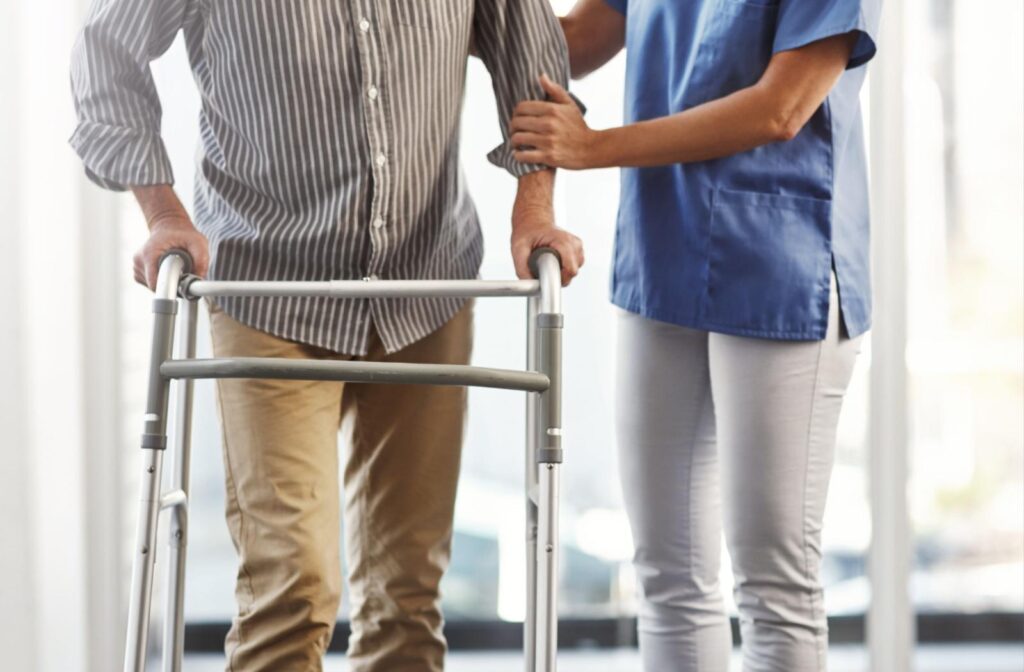
You can start by scheduling a check-in with your parent’s healthcare professional. This visit allows you to discuss any recent falls and review all current medications to see if any adjustments might be helpful. You can also ask about mobility aids, such as a cane or walker, and get recommendations. It’s helpful to know how to choose a mobility aid that provides the right support.
Adapt the Home for Safety
You can make a significant impact with a few simple changes around the home. Install grab bars in bathrooms and sturdy handrails along stairways to provide extra support. Improve lighting with brighter bulbs or nightlights in hallways, bedrooms, and bathrooms. Take a walk through each room and remove trip hazards like electrical cords, low furniture, and throw rugs. These adaptations are important whether your parent stays at home or you are considering the built-in safety features offered in a senior living community.
Encourage Physical Activity and Open Talks

Movement for Better Balance
Helping your parents stay active is one of the most positive ways for them to build strength and stability. Encourage your parents to try gentle, balance-focused exercises. There are many simple balance exercises for seniors that can be done at home to improve stability. Using light resistance bands can help build muscle, and low-impact cardio, like a daily walk, improves overall fitness. These activities can boost both their physical strength and sense of well-being.
Have a Caring Conversation
You may find that talking about falls is a sensitive subject. Approach the conversation with gentle, open-ended questions about how they are feeling. Reassure them of your unconditional support and love. By focusing the discussion on maintaining their safety and independence, you can work together to find solutions that feel empowering, not restrictive. Learning how to discuss sensitive topics can make these conversations more productive and positive for everyone.
Look at Long-Term Support Solutions
Helpful Devices and Technology
You can find many modern tools and technologies to enhance safety. A personal alert or fall detection device can provide great peace of mind, allowing your parent to call for help with the push of a button. A well-fitted cane or walker can also offer the daily support needed to move around more securely.
Professional Help and Senior Living
You may find that additional support is beneficial. A physical therapist can create a personalized exercise program to improve strength and balance. In-home care services can offer assistance with daily tasks. For a more comprehensive approach, exploring an assisted living community can provide a supportive environment designed for safety, social engagement, and personalized care.
Help Your Loved One Stay Safe and Independent
You will need compassion and patience as you navigate these changes with a parent. By approaching the topic with empathy and focusing on small, manageable changes, you can work together toward a shared goal. You can support their continued freedom and purpose, which is key to helping them live a full and vibrant life.
Communities like The Trails of Orono are designed to provide personalized support when it’s needed and space when it’s not. If you are exploring how a senior living community can help, the team at The Trails of Orono is ready to support your family’s journey. Contact us to schedule a tour and learn more.