

Key Takeaways
- Memory care offers structured routines that reduce confusion and support comfort.
- Emotional well-being is supported through connection, spiritual care, and purpose-driven programs.
- Specialized care helps support physical health through coordinated services and personalized care.
- Families can experience peace of mind, relief from burnout, and steady support throughout the transition.
- The Trails of Orono offers a whole-person approach to senior living.
Memory Care & What It Can Mean for Your Loved One
When a loved one is living with Alzheimer’s, every day can feel unpredictable. You might find yourself wondering if they’re safe, if they’re happy, and if they’re getting the care they need. Those worries are real, and they’re worth taking seriously.
Memory care can help improve daily life for seniors with Alzheimer’s by providing a calm, structured environment where they feel safe, supported, and treated with dignity. It’s not just about managing symptoms. It’s about helping your loved one live with dignity while receiving care that meets their changing needs.
What Memory Care Actually Looks Like Day to Day
Memory care communities are designed for people living with Alzheimer’s and other forms of memory loss. One of the biggest ways memory care helps is through routine. Consistent daily schedules can help reduce confusion and anxiety, giving residents a routine they are familiar with.
Beyond routine, care is personalized to each resident. That means the support your loved one receives reflects their preferences, their history, and their current needs. The environment itself also matters. Calm, comfortable spaces are intentionally designed to minimize stress and help residents feel more comfortable throughout the day. You can explore the living spaces and see how the community is designed to support residents with memory loss.
How Memory Care Supports Emotional & Social Well-Being
Connection & a Sense of Belonging
Feeling connected to others is something every person needs, regardless of age or ability. In memory care, group activities are part of daily life to foster friendship, engagement, and a genuine sense of community. Residents have regular opportunities to share moments with neighbors who understand similar experiences. Social connection plays a meaningful role in overall well-being.
Spiritual care may also be available. Chaplain visits and spiritual support programs offer residents and families additional emotional support. Whether your loved one finds comfort in faith, quiet reflection, or simply talking with someone, this support can be meaningful.
Purpose-Driven Daily Life
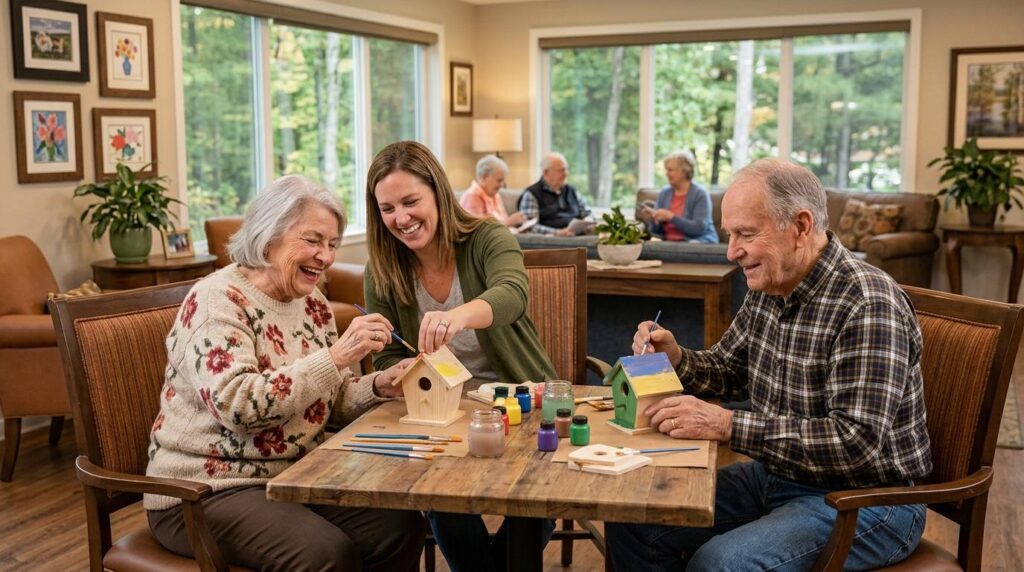
Having meaningful activities throughout the day can help residents stay engaged. Memory care programs are designed to encourage participation, matching activities to each resident’s abilities so that no one feels left out because activities are tailored to their individual needs. A simple art project, a walk outside, or a familiar song can bring moments of enjoyment throughout the day.
Wellness activities are tailored to what each person can do, not focused on what they can’t. That approach keeps residents active in a way that feels natural and encouraging rather than frustrating.
The Role of Specialized Care in Physical Health
Physical health and cognitive health are closely linked, and memory care takes both seriously. On-site primary care and care coordination mean your loved one doesn’t have to travel far for medical attention. Care comes to them, which can reduce the stress of frequent appointments and help keep care consistent.
Nutrition plays a big role as well. Freshly prepared meals prepared each day provide good nutrition that residents need while also making mealtimes feel warm and familiar rather than clinical. Good food, shared with others, can provide both nutrition and opportunities for social connection.
Coordinated care also helps team members monitor changes in a resident’s health and mention concerns with the appropriate healthcare providers.
What This Means for Your Family as a Caregiver
Peace of Mind for Loved Ones
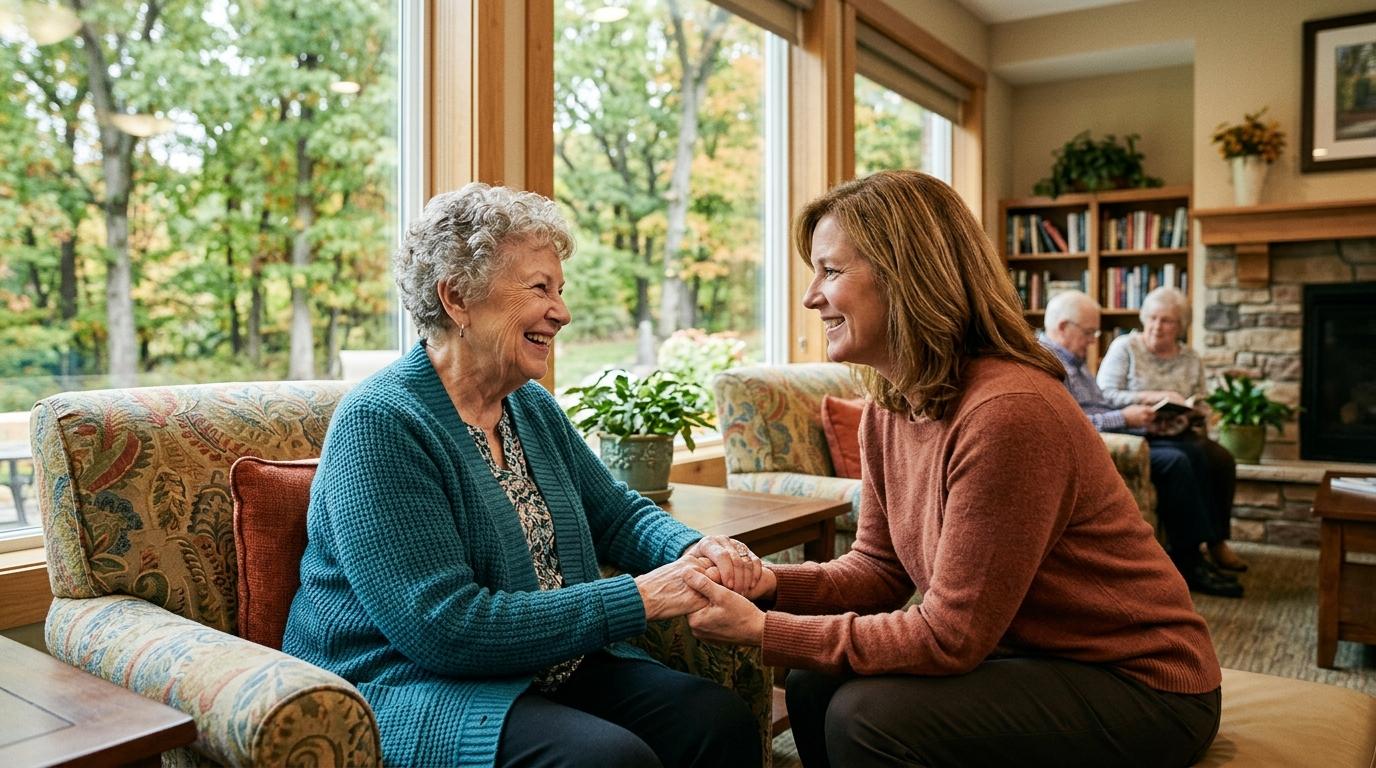
Knowing your loved one is supported around the clock by a compassionate, trained team can bring a kind of relief that’s hard to put into words. Caregiving can carry emotional weight and be physically demanding, and having a team you trust could make a real difference. Regular communication keeps families informed and part of the journey, even from a distance.
Relief From Caregiver Burnout
Caregiver burnout is real, and it’s more common than most people talk about. Memory care and respite care options give families a chance to rest and recharge, knowing their loved one is receiving the support they need. Families can also get help exploring senior living options, making the decision feel less stressful and easier to understand.
Taking the Next Step
Memory care can provide a sense of belonging in a safe environment, while giving you peace of mind that your loved one is safe. If you’re considering memory care, visiting a community and asking questions can help you better understand your options.
At The Trails of Orono, assisted living and memory care are offered under one roof, making transitions smoother for families as needs change over time. Our compassionate staff provide a supportive, uplifting environment.
Schedule a tour to learn more about our lifestyle options and community.

