
Key Takeaways
- Personalized care plans are built around each resident’s health, habits, and preferences, not a one-size-fits-all approach
- Family members, residents, and care teams all play a role in shaping the plan
- Plans cover daily support, wellness, spiritual care, and emotional well-being
- Knowing what questions to ask helps families find an assisted living community that truly puts residents first
What Care Actually Looks Like When It’s Personal
When a loved one moves into an assisted living community, one of the first things families want to know is simple: will someone actually know them?
Not just their name on a chart, but their favorite morning routine, what makes them laugh, or how they like their evenings to wind down. That question matters more than almost anything else.
A personalized care plan is what makes that kind of attentive, human support possible. It’s the foundation of how Trails of Orono gets to know your loved one and supports them in a way that feels right, not just routine.
How Care Plans Are Built Around Your Loved One
The Initial Assessment Process
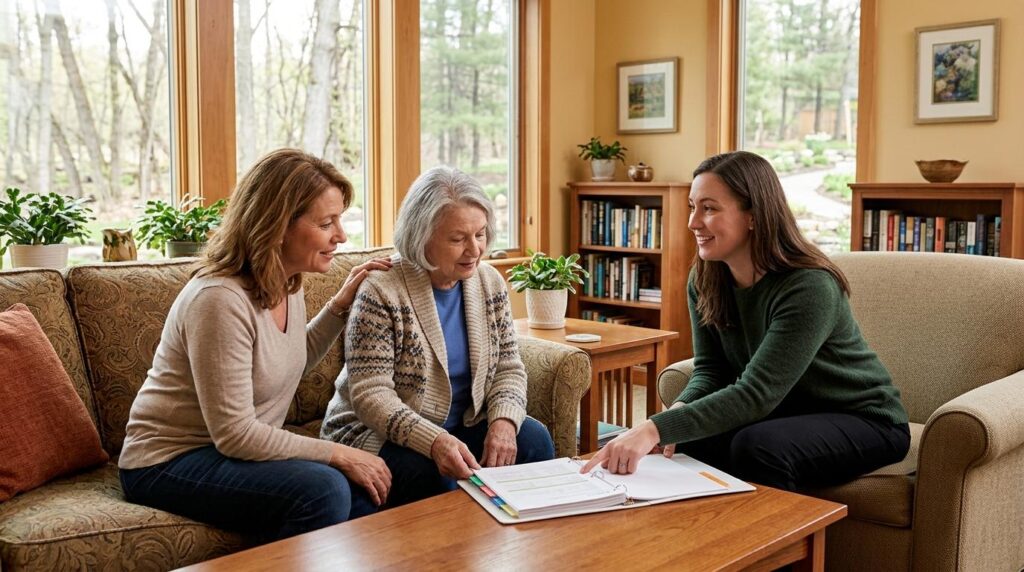
Before anything is written down, the care team listens. They sit with your loved one and your family to hear about health history, daily rhythms, personal preferences, and personality. What time do they wake up? What do they enjoy? What makes a hard day feel a little lighter?
A conversation like this can cover far more than medical needs. It’s about getting a real picture of who your loved one is as a person so that every part of their day can reflect that. Those details, not just diagnoses, shape a personalized care plan.
Who Is Involved in the Plan?
Building a care plan is never a solo effort. The care team, family members, and the resident all have a voice in how support is structured. That collaboration helps make the plan more accurate and helps your loved one feel seen from day one.
Spiritual and emotional well-being also have a place in this process. Chaplains and spiritual care programs are woven into the picture so that the whole person, not just their physical needs, is supported.
All aspects of your loved one’s life matter deeply, especially during times of transition.
Key Areas a Personalized Plan Covers in Assisted Living
Daily Support and Independence
One of the most meaningful parts of a personalized plan is knowing where help is needed and where it isn’t.
A compassionate care team offers support where your loved one genuinely needs it, and space is protected everywhere else. That balance keeps dignity intact and lets residents continue to feel capable and at home.
A resident who needs help with medication but wants to dress independently, for example, gets exactly that. The goal is never to take over. It’s to step in gently, only when it makes a real difference.
Take time to explore the full range of personalized care services and amenities that support this kind of balanced approach. Understanding your options helps you ask informed questions.
Health, Wellness, and Spiritual Care
In a community like Trails of Orono, health care doesn’t live in a separate silo. On-site primary care is coordinated through a connected system. A team works together to consistently manage your loved one’s health, without the stress of juggling multiple providers.
Alongside physical health, spiritual and emotional care are woven into daily life. Chaplain visits, spiritual groups, and one-on-one emotional support give residents a sense of grounding, purpose, and belonging throughout their time in the community.
Long-term care support like this is most meaningful when it addresses the full person, body, and spirit alike.
How Personalized Plans Support Memory Care Residents
For residents living with memory-related changes, a thoughtful care plan can carry even more weight. Care teams design these plans around comfort, familiar routines, and gentle structure that help reduce confusion and stress throughout the day.
When the environment feels predictable and warm, residents tend to feel more settled and secure. The impact of dementia on daily life makes that kind of consistency especially meaningful.
Family connection is also built into the process. Loved ones are kept closely involved and informed so that even as care needs shift, no one feels left in the dark.
That ongoing relationship between families and the care team is one of the most reassuring parts of memory care done well.
What to Look for When You Choose a Senior Living Community
Questions Worth Asking the Care Team
When you’re touring a community, ask directly about care plans. Find out how often the team reviews and updates plans as needs change over time.
Ask how family members are kept informed and how they can stay involved in care decisions along the way. Knowing what to consider when choosing a senior living community can make those conversations feel much more focused.
A care team that welcomes questions openly is a strong sign that it takes resident-centered care seriously. You want to feel like a partner in this process, not an outsider.
Signs of a Truly Resident-Centered Approach
Pay attention to the small things during a community visit.
Do staff members greet residents by name? Do they know their preferences, their stories, their moods? Those moments of genuine familiarity say a lot about a community’s culture.
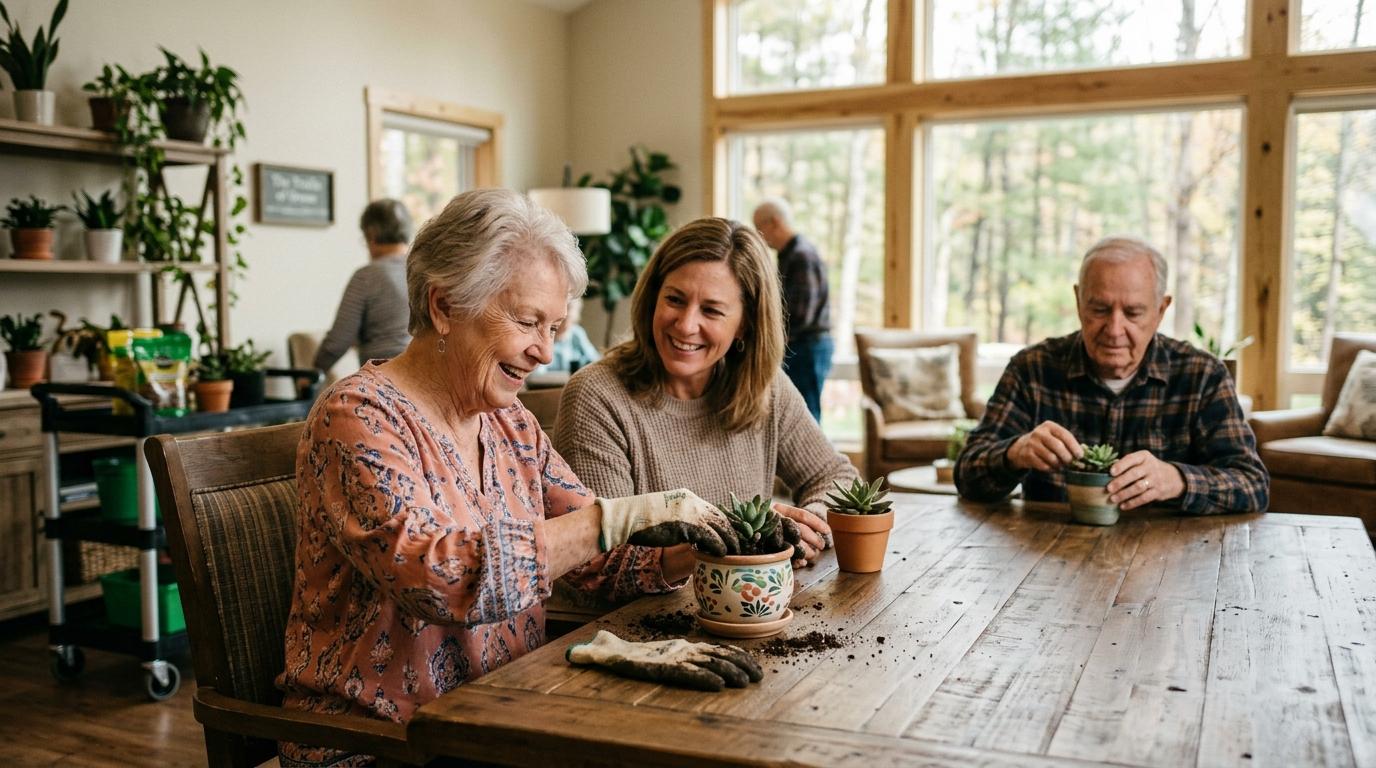
Look at the programs and activities on offer. When options reflect individual interests and encourage personal goals, that’s a sign the community is paying attention to who residents actually are, not just what they need.
A look at the community events calendar can give you a real sense of how that care shows up in everyday life.
Find the Support Your Loved One Deserves
The Trails of Orono is a community focused on supporting every resident as an individual. From the first conversation to the ongoing care relationship, our goal remains on what makes your loved one who they are.
When you’re ready to see what personalized senior living can feel like, schedule a tour.